This Is What Professional Pet Groomers Notice That Pet Parents Often Miss
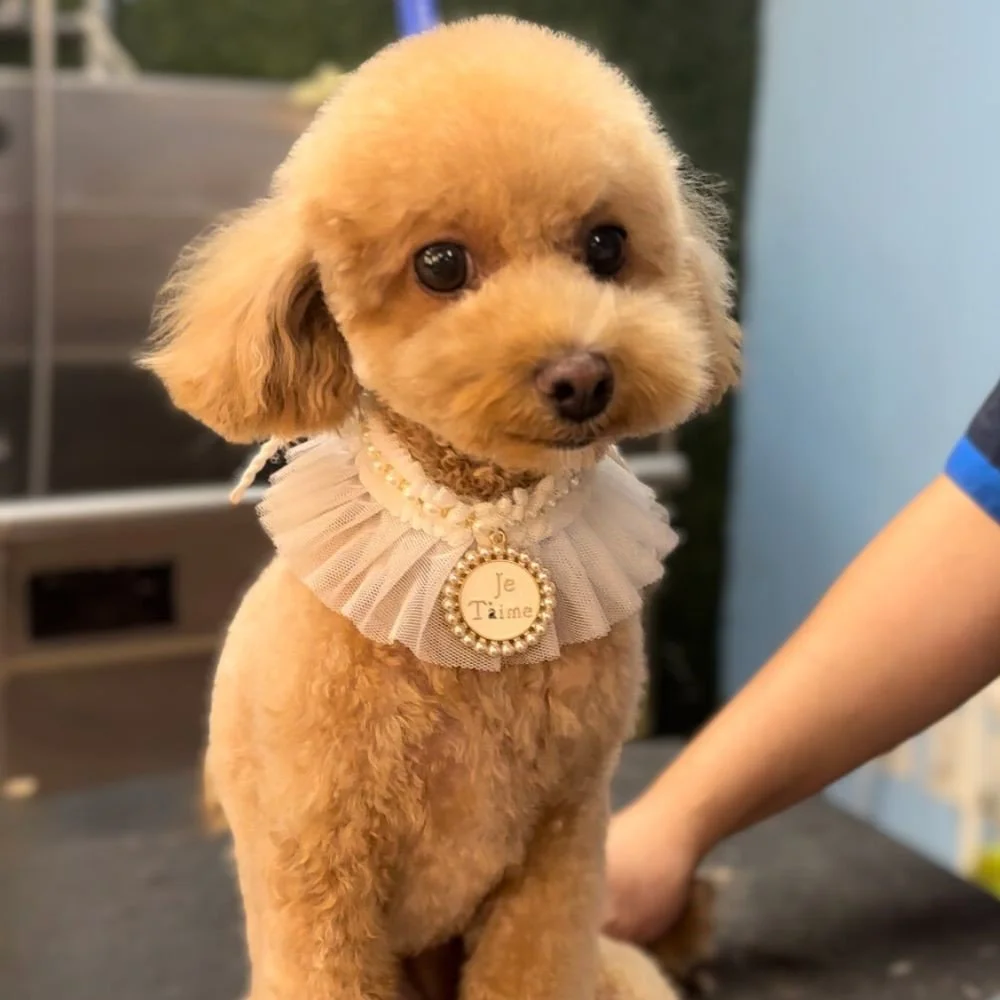
A clean and fluffy pet may look healthy, but there could be signs that only a trained groomer notices. A professional pet groomer does more than wash fur and give haircuts. During grooming, they carefully check the skin, coat, ears, paws, and nails. They may notice small changes that pet parents do not see at home.
Regular grooming can help keep pets clean, comfortable, and happy while helping owners spot concerns that may need extra attention.
What Does a Professional Pet Groomer Notice First?
A groomer spends time looking closely at your pet from head to tail. This gives them a chance to notice changes that may be hard to see during everyday life.
1. Changes in the Skin and Coat
Your pet's fur can hide changes on the skin. A groomer may notice dry skin, redness, small bumps, flaky skin, or areas that look different.
These signs do not always mean that your pet is sick. However, they are worth watching. A groomer can tell you what they noticed, and you can ask your vet about anything that seems unusual.
Regular brushing and bathing also help remove dirt, loose fur, and buildup. This makes the coat easier to check and care for.
2. Early Signs of Matting
Mats are tangled clumps of fur. They can form when loose hair gets stuck in the coat. If mats become large, they can pull on the skin and make your pet uncomfortable. A professional Pet groomer knows which parts of a pet's coat are most likely to become tangled. Regular grooming and brushing can help stop small knots from becoming painful mats.
The Details Around the Face, Ears, and Paws
Some areas of your pet need extra care. These include the ears, face, paws, and nails. Pets may also make it hard for owners to check these areas at home.
3. Ear and Facial Hygiene
A groomer may notice extra wax, dirt, a strong smell, or signs of irritation around the ears. They may also see food, moisture, or dirt around the face. Keeping these areas clean can help your pet stay comfortable.
If a groomer notices something that looks unusual, they can let you know so you can decide if your pet needs to see a vet.
4. Nail Length and Paw Condition
Long nails can make it harder for pets to walk or stand comfortably. During grooming, the nails can be checked and trimmed when needed. A groomer may also notice dry paw pads, dirt between the toes, or signs that your pet has been licking its paws a lot. These small details can tell you that your pet may need extra care.
What Groomers Notice About Your Pet's Behavior
Grooming is not only about fur. It also gives a groomer a chance to watch how your pet behaves. This could simply mean the pet does not like being handled there. It could also be a sign of discomfort. A professional groomer learns how each pet reacts during bathing, brushing, nail trimming, and drying.
This helps them make future visits calmer and more comfortable. Cats often need extra patience during grooming. Cat grooming packages can provide gentle care for cats that need help with their fur, nails, bathing, or basic hygiene.
Why Regular Grooming Can Reveal More Than a Bath at Home?
Bathing your pet at home can be helpful, but professional grooming offers more than a simple wash. A groomer can carefully work through the coat and check areas that may be hard for pet parents to reach.
Professional grooming can include services such as bathing, haircuts, nail trimming, ear cleaning, and coat styling. Our grooming sessions are adjusted to each pet's breed, coat type, and individual needs.
5. Shedding Patterns
Shedding is normal for many pets. But a groomer may notice when your pet seems to be shedding more than usual or when the coat feels different. Regular brushing can remove loose fur before it spreads around your home. It can also make the coat easier to check and keep clean.
6. Your Pet's Overall Grooming Needs
Every pet is different. A short-haired dog may not need the same grooming schedule as a long-haired dog. Age, coat type, activity, and lifestyle can all affect grooming needs. We recommend full-service grooming about every four to six weeks, depending on the pet's coat, age, and activity level.
A groomer can help you choose a routine that works for your pet.
What Pet Parents Should Ask Their Groomer?
A grooming visit is a good time to talk about your pet's care. Tell your groomer if you have noticed changes at home.
You can mention things such as:
More scratching than usual
Changes in your pet's behavior
Excessive licking
New tangles or mats
Sensitivity when certain areas are touched
After the grooming session, ask if the groomer noticed anything unusual. This simple conversation can help you understand your pet's needs and care for them better between visits.
Grooming Is About More Than Looking Good
A fresh haircut may be the part you notice first, but grooming does much more than make a pet look cute. It can help keep the coat clean, reduce mats, manage loose fur, and support good hygiene.
Professional grooming can also help pet parents notice changes they may miss at home. The goal is not only to have a beautiful pet. It is to help your pet stay comfortable, clean, and well cared for.
Give Your Pet More Than Just a Haircut
Good grooming is about more than making your pet look great. It is about helping them feel clean, comfortable, and cared for. At Pet Haven Grooming, we provide gentle and personalized grooming for dogs and cats.
We focus on comfort, safety, coat care, and each pet's individual needs. From full-service grooming to cat grooming packages and spa treatments, we help pets enjoy a calm grooming experience. If your pet needs caring professional attention, we are here to help.
People Also Ask
1. How often should I take my pet to a professional groomer?
It depends on your pet's coat, age, breed, and lifestyle. Many pets may need grooming every four to six weeks, but your groomer can help you choose the right schedule.
2. What does a professional pet groomer look for?
A groomer may notice mats, skin changes, long nails, dirty ears, paw problems, unusual shedding, or changes in how your pet reacts to touch.
3. Are professional grooming services useful for cats?
Yes. Cats can benefit from regular grooming, especially if they have long or thick fur. Cat grooming packages may include bathing, fur trimming, nail care, and hygiene services.
4. Can professional grooming help prevent mats?
Yes. Regular brushing and grooming can remove loose fur and help stop small tangles from becoming large and uncomfortable mats.
5. Can a groomer diagnose a health problem?
No. Groomers can notice changes and tell you about them, but they cannot diagnose medical problems. A vet should check anything that looks unusual or worrying.
