Those tiny paws may be hiding a big problem! Your cat’s claws help them climb, stretch, and explore, but overgrown nails can cause pain and discomfort. While cats naturally scratch to maintain their claws, this may not be enough to keep them at a healthy length.
Knowing when your cat needs cat nail trimming can help prevent broken claws, painful snags, and scratches. A little attention to your cat’s paws can make everyday life safer and more comfortable.
Why Is Cat Nail Trimming Important?
Cats use their claws for many daily activities, including climbing, playing, and scratching. However, their nails may become overgrown, particularly if they are not naturally worn down through regular activities.
Overgrown claws may catch on carpets, blankets, and furniture. In serious cases, a nail can curl toward the paw pad and cause pain or injury. Older cats may be more likely to develop this problem because they may scratch less or have trouble caring for their paws.
Regular nail checks help you spot problems early. They also make it easier to decide when your cat needs help from a professional groomer.
5 Signs Your Cat May Need a Nail Trim
Your cat may not tell you when their claws are bothering them, but their paws and behavior can offer useful clues.
- You Can See the Claws When Your Cat Is Resting
Cats usually keep their claws tucked away when their paws are relaxed. If you can clearly see the tips of the claws without your cat stretching or scratching, the nails may be getting too long.
Check your cat’s paws gently while they are calm. Never force a paw open if your cat resists.
- The Nails Get Caught in Fabrics
Does your cat’s claw keep getting stuck in blankets, carpets, or your clothes? This may mean the nails are too long or have sharp, curved tips.
Repeated snagging can break a nail or hurt your cat when they try to pull free. If this happens often, check the claws and consider getting professional help.
- Your Cat’s Nails Look Curved or Overgrown
A healthy claw should not curl into the paw pad. If your cat’s nails look unusually long, thick, or curved, examine them carefully without pressing on the toes.
A nail that grows into the paw pad can cause pain, swelling, or infection. Contact a veterinarian if you notice a wound, bleeding, or a claw growing into the skin.
- Your Cat Seems Uncomfortable While Walking
Changes in movement can be a warning sign. Your cat may walk differently, avoid jumping, or lick their paws more than usual if their nails are causing discomfort.
However, these signs can also point to other health problems. If your cat limps, cries, or avoids putting weight on a paw, arrange a veterinary check instead of assuming that a nail trim will solve the issue.
- Scratching Is Not Keeping the Claws Short
Scratching helps cats remove old outer claw layers and maintain their claws. However, it does not always keep the nails at a comfortable length.
If your cat scratches regularly but still has long, sharp claws, they may need extra nail care. Older cats and less active indoor cats may need closer attention.
How to Make Nail Trimming Easier for Your Cat?
Some cats stay calm during nail care, while others may feel scared or try to pull away. A gentle approach can help make the experience more comfortable.
Before attempting a trim, keep these tips in mind:
- Choose a calm moment: Try when your cat is relaxed, rather than excited or ready to play.
- Use proper nail clippers: Cat-specific clippers help you make a controlled cut.
- Avoid the quick: The quick is the pink area inside the nail that contains blood vessels and nerves. Cutting it can cause pain and bleeding.
- Trim only the sharp tip: If you are unsure where to cut, ask a professional to show you the safe method.
- Never force your cat: Stop if your cat becomes very upset. A groomer or veterinarian can help with difficult trims.
If a nail bleeds, apply gentle pressure with clean gauze. Seek veterinary help if the bleeding does not stop or the injury looks serious.
How Kitty Cat Grooming Supports Healthy Paws?
Kitty cat grooming involves more than keeping your cat’s fur clean and soft. It can also include nail care, brushing, and checking for signs of skin or coat problems.
Professional grooming can be especially helpful for older cats, long-haired cats, and pets that dislike having their paws handled. An experienced groomer can assess the claws, trim them carefully, and help reduce the stress that some cats feel during nail care.
At home, you can support healthy paws by providing sturdy scratching posts and checking your cat’s claws during quiet moments. Scratching posts offer a useful outlet for natural behavior, but they do not replace nail checks.
If your cat has painful paws, swollen toes, or a damaged claw, consult a veterinarian before arranging routine grooming.
When Should You Seek Professional Help?
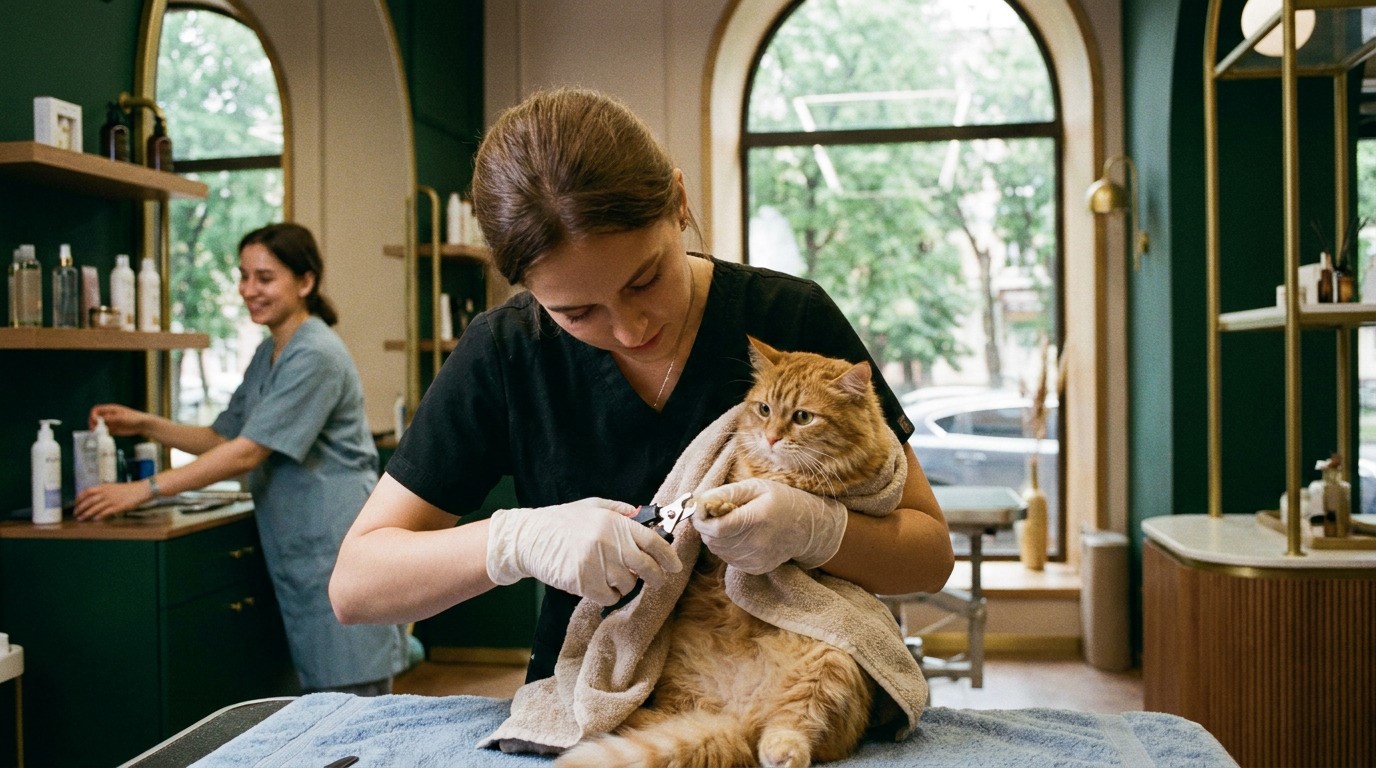
A professional nail trim may be a good choice if your cat becomes anxious, struggles during handling, or has claws that are difficult to trim safely.
Choose a groomer who understands feline behavior and uses gentle handling methods. Ask what the nail-trimming service includes and tell them about any previous injuries or signs of pain.
At Pet Haven Grooming, we provide cat nail trimming as part of our cat-care services in Burbank, California. We take a gentle, patient approach to help cats feel as comfortable as possible during grooming.
Give Your Cat the Paw Care They Deserve
Your cat’s claws may be small, but their comfort matters every day. Watching for curved nails, frequent snags, and changes in walking can help you spot problems early. Regular cat nail trimming can keep your feline friend comfortable and help prevent avoidable injuries.
At Pet Haven Grooming, we believe every cat deserves gentle handling and thoughtful care. If your cat needs a nail trim, we invite you to connect with us and discuss the right grooming care for your furry friend.
Cat Nail Trimming FAQs
1. How can I tell if my cat’s nails are too long?
Look for claws that remain visible while the paws are relaxed, get caught in fabrics, or begin to curve toward the paw pads. These signs suggest that your cat may need a nail check.
2. Does trimming a cat’s nails hurt?
Trimming the sharp tip should not hurt when done correctly. However, cutting the quick, which contains nerves and blood vessels, can cause pain and bleeding. A trained professional can help you learn safe trimming techniques.
3. Do indoor cats need their nails trimmed?
Yes, many indoor cats need nail care because their claws may not wear down enough through everyday activity. Scratching posts help, but regular checks are still important.
4. Can I use human nail clippers on my cat?
Cat-specific nail clippers are generally a better choice because they are designed for a cat’s small claws. Ask a professional groomer or veterinarian to demonstrate safe use if you are unsure.
5. What should I do if my cat refuses to have its nails trimmed?
Do not force your cat or hold them down if they become very distressed. Stop the session and seek help from an experienced cat groomer or veterinarian who can recommend a safer approach.
-
Beyond a Fresh Cut: How Dog Grooming in Burbank CA Supports Your Pet’s Well-Being

-
Shih Tzu Dog Grooming: Is Your Pet Getting the Right Care or Just a Haircut?

-
Does Your Cat Need a Nail Trim? Signs Every Pet Parent Should Recognize
-
Is Your Doodle Getting the Right Haircut? How to Find a Skilled Doodle Dog Groomer

-
Can Regular Cat Grooming in Burbank CA Keep Your Cat Happier? Here’s Why